How Hockessin Apartment Movers Simplify Residential Relocations Through Careful Planning and Efficient Handling
Moving from one apartment to another can be an exciting step, but the physical and logistical work involved can quickly become overwhelming. Packing household belongings, protecting furniture, coordinating building access, loading a moving vehicle, and settling into a new residence all require time and organization. Without a clear plan, even a relatively short apartment move can become stressful and inefficient.
Professional Hockessin apartment movers can simplify the process by bringing structure to each stage of a residential relocation. From early preparation and packing to careful handling, transportation, unloading, and furniture placement, an experienced moving team can help residents manage the physical demands of moving while keeping the overall process organized.
Understanding the Challenges of Apartment Relocations
Apartment moves have several characteristics that can make them different from moving between detached homes. Residents may need to work around shared hallways, elevators, staircases, parking areas, building entrances, and community rules. Large furniture may also need to pass through narrow spaces before it can reach the moving vehicle.
Building management may have specific requirements for moving activities. These can include designated moving hours, elevator reservations, loading zones, parking restrictions, and procedures for protecting common areas. Failing to plan around these requirements can cause delays on moving day.
Professional movers can account for these factors when organizing the relocation. Careful preparation helps ensure that the physical move is coordinated with the conditions of both the current and new apartment.
The Importance of Planning Before Moving Day
A successful residential relocation begins before boxes are packed. Early planning allows residents to determine what needs to be moved, how belongings will be packed, and what special requirements may affect the schedule.
A basic moving plan can include an inventory of furniture and household belongings, a packing timeline, building access information, transportation details, and a list of essential items that should remain easily accessible.
Professional Hockessin apartment movers can use this information to prepare for the physical requirements of the move. Knowing the approximate volume of belongings and identifying large or fragile items can help determine the appropriate labor and transportation resources.
Creating a Household Inventory
Keeping track of household belongings is one of the simplest ways to improve moving organization. Residents can create an inventory by room, category, or priority. This helps determine what needs to be packed and makes it easier to identify belongings after delivery.
Items that will not be moved should be separated before packing begins. Unwanted furniture, outdated electronics, damaged household goods, and other unnecessary belongings can often be donated, recycled, sold, or discarded according to appropriate guidelines.
Reducing clutter before the move can make packing and transportation more efficient. It also gives residents an opportunity to start their new apartment with a more organized collection of belongings.
Developing an Efficient Packing Strategy
Packing an apartment can take considerable time because nearly every room contains items that require sorting and protection. A systematic approach can prevent confusion and make unpacking easier.
Residents can pack room by room and label each box according to its destination. For example, kitchen boxes can be marked separately from bedroom or home office boxes. Labels can also identify fragile contents or items that should be opened first.
Professional movers may offer packing assistance for residents who prefer to have a moving crew handle this part of the process. Whether packing is completed by the resident or a professional team, clear labeling is useful throughout the relocation.
Protecting Furniture During Transportation
Furniture represents a significant portion of many apartment moves. Sofas, beds, tables, dressers, chairs, bookshelves, and cabinets can be vulnerable to scratches and impacts during handling.
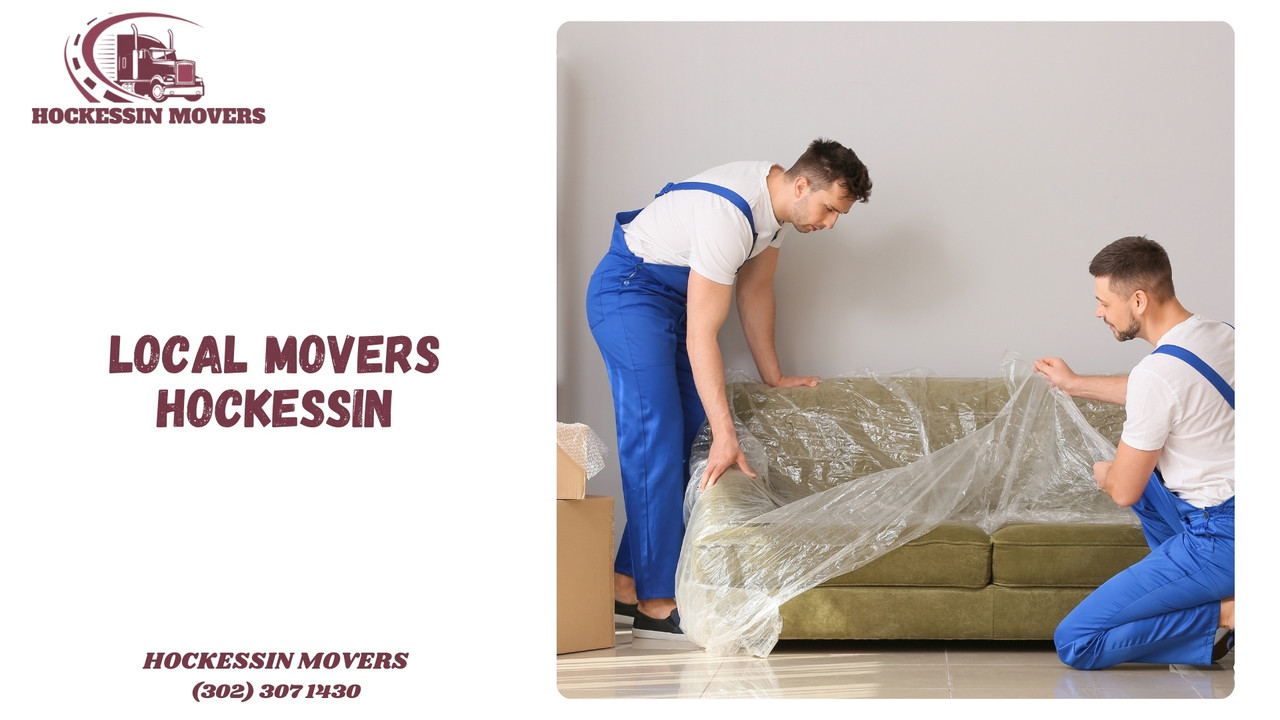
Professional movers can prepare furniture for transportation using appropriate protective materials. Wrapping and padding can help protect surfaces while items are moved through doorways, hallways, elevators, staircases, and loading areas.
Furniture that can be safely disassembled may be taken apart before transportation. This can make large pieces easier to maneuver and may also help use the available space inside the moving vehicle more efficiently.
Handling Narrow Hallways and Tight Doorways
Apartment layouts can create physical challenges for moving large belongings. Narrow corridors, sharp turns, low-clearance areas, and small doorways may require careful maneuvering.
Before moving large furniture, residents and movers should consider the route from the apartment to the building exit. Measuring particularly large items and identifying potential obstacles can help prevent problems.
An experienced moving crew can work together to guide large furniture through confined spaces while paying attention to walls, doors, floors, and other building features.
Managing Elevators During Apartment Moves
Elevators are often essential for moving items between apartment floors, but their use may be subject to building policies. Some properties require residents to reserve a service elevator or limit moving activity to specific hours.
Residents should confirm elevator requirements with building management before moving day. The moving company should also receive accurate information about the building's elevator access.
When elevator access is coordinated in advance, movers can organize loading and unloading around the available time. This can reduce unnecessary waiting and keep the relocation on schedule.
Using Staircases Safely and Efficiently
Not every apartment move can rely entirely on elevators. Stairs may be necessary when moving between floors or when elevators are unavailable. Carrying furniture and boxes through stairways requires careful coordination.
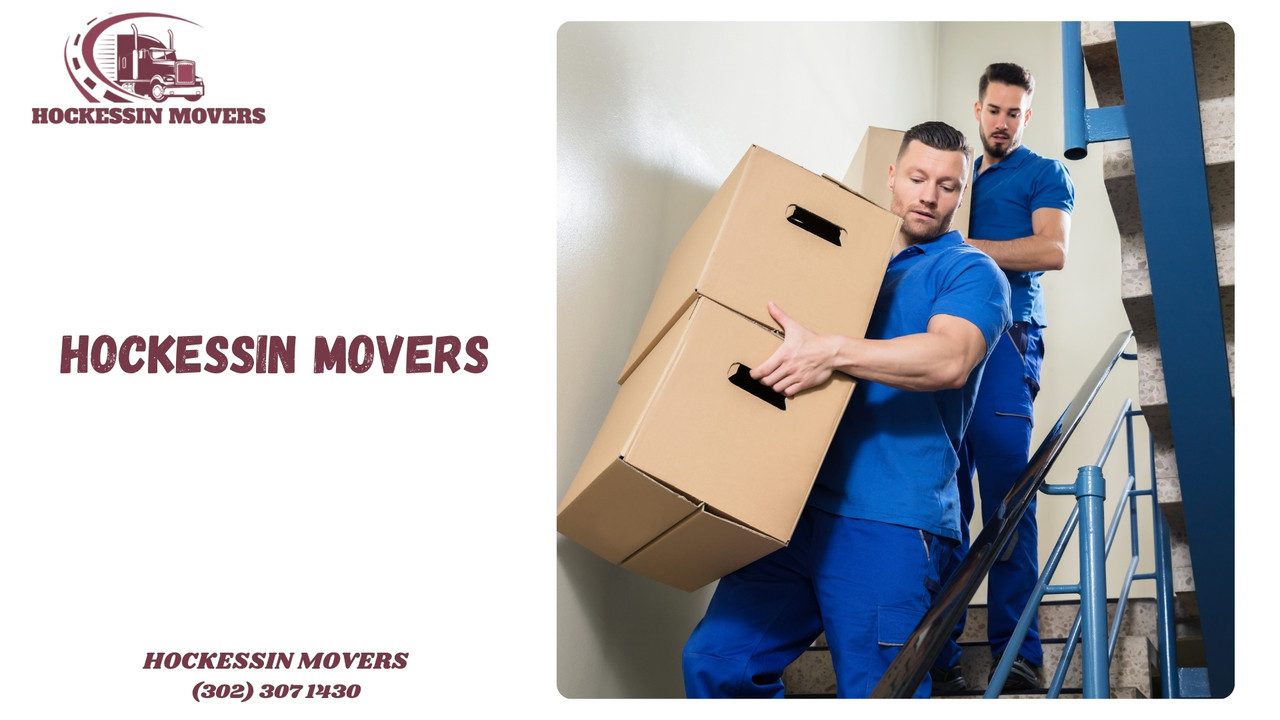
Large or heavy items should be handled by people who understand how to maneuver them safely through stairs and landings. Professional movers can divide the work among crew members and use suitable handling techniques.
Residents can help by keeping stairways and pathways clear of unnecessary belongings before the move begins.
Coordinating Parking and Loading Areas
Parking can become an important logistical consideration during an apartment relocation. The moving vehicle needs sufficient space to load and unload household belongings, but apartment communities may have designated parking areas or restrictions on commercial vehicles.
Residents should confirm where the moving truck can park and whether any permits or reservations are required. Providing these details to the moving company in advance can help the crew plan its arrival and loading process.
A suitable loading location can reduce the distance that movers need to carry heavy items between the building and vehicle, potentially making the process more efficient.
Organizing the Loading Process
Loading a moving vehicle is not simply a matter of putting boxes inside. Furniture, boxes, and fragile items need to be arranged carefully to make efficient use of the available space and help keep belongings stable during transportation.
Large furniture can be positioned strategically, while smaller boxes can fill appropriate spaces around larger items. Fragile belongings should receive additional protection and should not be placed where they could be crushed by heavier items.
An organized loading process can also make unloading easier because belongings can be removed according to their destination and priority.
Reducing Physical Strain for Residents
Moving involves repeated lifting, carrying, bending, pushing, and pulling. These activities can become physically demanding over several hours, especially when heavy furniture or large quantities of boxes are involved.
Professional movers can take responsibility for much of the physical labor involved in the relocation. Residents can focus on supervising the move, managing personal documents, communicating with building management, and handling other responsibilities.
Reducing the physical workload can make moving day more manageable and allow residents to conserve energy for unpacking and settling into the new apartment.
Protecting Fragile Household Items
Glassware, mirrors, artwork, electronics, decorative items, and other fragile belongings require careful preparation. These items can be damaged if they are packed without adequate cushioning or placed improperly during transportation.
Fragile items should be clearly identified so that everyone handling the boxes understands that additional care is required. Appropriate wrapping and cushioning can help reduce movement inside boxes.
Professional packing assistance may also be useful for residents with particularly delicate or difficult-to-pack belongings.
Moving Electronics With Proper Organization
Modern apartments often contain computers, televisions, gaming systems, speakers, printers, and other electronic devices. These items can require careful preparation before transportation.
Residents should back up important digital information before disconnecting computers or other devices. Cables and accessories should be organized and labeled so that equipment can be reconnected efficiently at the new apartment.
Electronics should be protected against impacts during handling and transportation. Keeping smaller accessories together with their corresponding devices can also simplify the setup process after the move.
Planning Furniture Placement Before Arrival
Moving furniture into a new apartment without a predetermined layout can result in repeated lifting and rearranging. Creating a basic floor plan before moving day can make the unloading process more efficient.
Residents can determine where major furniture pieces should be placed in each room. When movers unload the truck, they can use these instructions to position larger items according to the desired layout.
This approach can reduce the need to move heavy furniture after the moving crew has completed the delivery.
Keeping Essential Items Accessible
Not every item should be packed away without consideration for immediate needs. Residents may require toiletries, chargers, medications, important documents, basic clothing, cleaning supplies, and other essentials during the first hours in the new apartment.
Keeping an essentials bag or clearly labeled box separate from the main moving inventory can make the first day more convenient.
Important personal documents and valuables should also be handled according to the resident's preferences and kept accessible throughout the relocation.
Managing Long-Distance Apartment Moves
Apartment relocations may involve moving across town, to another city, or to a different region. Longer moves require additional transportation planning because belongings remain in transit for a greater distance.
Proper packing and secure loading become particularly important for long-distance transportation. Residents should provide accurate information about the origin, destination, inventory, and desired schedule when arranging the move.
Clear communication about delivery expectations can also help residents prepare for the transition at the new location.
Handling Specialty Household Items
Some apartment belongings require special attention because of their size, weight, construction, or fragility. Examples can include large televisions, exercise equipment, oversized furniture, musical instruments, glass tables, and other unusual items.
Residents should identify these belongings before moving day rather than surprising the moving crew with them at the last minute. Early communication gives movers an opportunity to plan the appropriate handling approach.
Some specialty items may also require disconnection or preparation by qualified professionals before they can be transported.
Coordinating the Old and New Apartments
A residential move involves two locations, and both need to be prepared. The current apartment should be accessible for loading, while the new apartment needs to be ready for delivery.
Residents should confirm move-out and move-in dates, key availability, building access, elevator schedules, parking arrangements, and any inspection requirements.
Coordinating these details before the moving truck arrives can prevent situations where the crew is ready to work but cannot access one of the properties.
Making Unloading More Organized
Unloading is the final major physical stage of the relocation, but it can become chaotic without a plan. Boxes may be placed in random rooms, furniture may be left in hallways, and residents may need to move items repeatedly.
Clear labeling and a predetermined room layout can make unloading more efficient. Movers can deliver boxes according to their labels and place large furniture in its intended location.
Residents can then focus on unpacking rather than directing every individual box after it has already been carried inside.
Using Professional Equipment and Moving Tools
Professional moving crews may use equipment designed to help handle heavy and bulky belongings. Depending on the type of move, this can include moving dollies, furniture pads, straps, ramps, protective coverings, and other tools.
Using suitable equipment can make certain tasks more manageable and reduce the need to manually carry every item. It can also help movers navigate larger belongings through apartment spaces more efficiently.
Residents who attempt to move heavy furniture without appropriate equipment may face unnecessary difficulty, particularly when stairs or long hallways are involved.
Maintaining Organization During the Move
Organization should continue throughout the relocation rather than stopping once packing is complete. Labels, inventories, room assignments, and moving checklists can help maintain control over belongings.
A simple color or numbering system can be used to identify rooms and priorities. For example, boxes can be labeled with both the room name and a brief description of their contents.
This approach can make it easier to identify essential belongings and prioritize unpacking after the move.
Reducing Stress Through Clear Responsibilities
One source of moving-day stress is uncertainty about who is responsible for each task. Establishing clear responsibilities can create a more efficient workflow.
The moving team can handle agreed-upon physical tasks such as loading, transportation, unloading, and furniture placement. The resident can focus on personal belongings, building communication, documents, keys, utilities, and other administrative responsibilities.
When everyone understands their role, fewer tasks are likely to be overlooked.
Preparing for the First Day in the New Apartment
Settling into a new apartment can take several days, but preparing for the first evening can make the transition easier. Residents should identify the belongings they will need immediately and keep them separate from less urgent boxes.
Basic cleaning supplies can also be useful before unpacking begins. Cleaning key areas before furniture and boxes are fully arranged can be easier than doing so after everything is in place.
Once essential furniture is positioned, residents can gradually unpack according to priority instead of attempting to organize Hockessin Movers Long distance movers Hockessin the entire apartment in a single session.
How to Prepare Before Hiring Apartment Movers
Residents can make the moving process easier by preparing information before contacting a moving company. This may include the addresses of both locations, preferred moving dates, the number of rooms, major furniture pieces, specialty items, building access information, and any known restrictions.
It is also useful to identify whether packing assistance is needed or whether the resident plans to prepare the belongings independently.
Providing complete information helps the moving company understand the scope of the relocation and prepare accordingly.
Choosing Hockessin Apartment Movers
When selecting a moving company, residents should consider the company's experience with apartment relocations, available services, communication process, scheduling, and approach to handling household belongings.
Customers should ask what services are included in the estimate and whether additional charges could apply for stairs, long carries, packing materials, oversized items, or other circumstances.
It is also important to communicate any special requirements before the moving date. Accurate information allows the moving team to prepare for the actual conditions of the relocation rather than making assumptions.
Common Apartment Moving Mistakes to Avoid
Waiting until the last minute is one of the most common ways to make an apartment move more difficult. Packing, building coordination, and scheduling can require more time than expected.
Another common mistake is failing to measure large furniture or check access routes. A piece that fits comfortably inside an apartment may still be difficult to move through a narrow hallway, elevator, or doorway.
Residents should also avoid packing everything without labels. Clear identification makes unloading and unpacking significantly easier.
Conclusion
Apartment relocations involve many interconnected tasks, from packing and furniture preparation to building coordination, transportation, unloading, and setup. Without careful planning, these responsibilities can quickly become overwhelming.
Hockessin apartment movers can simplify the process by bringing experience, organization, and efficient handling to the physical side of the relocation. Professional assistance can help residents manage heavy furniture, protect household belongings, coordinate apartment access, and organize loading and unloading.
Contact Us:
Hockessin Movers
(302) 307 1430